Compliance
How the work permit process works in Moldova
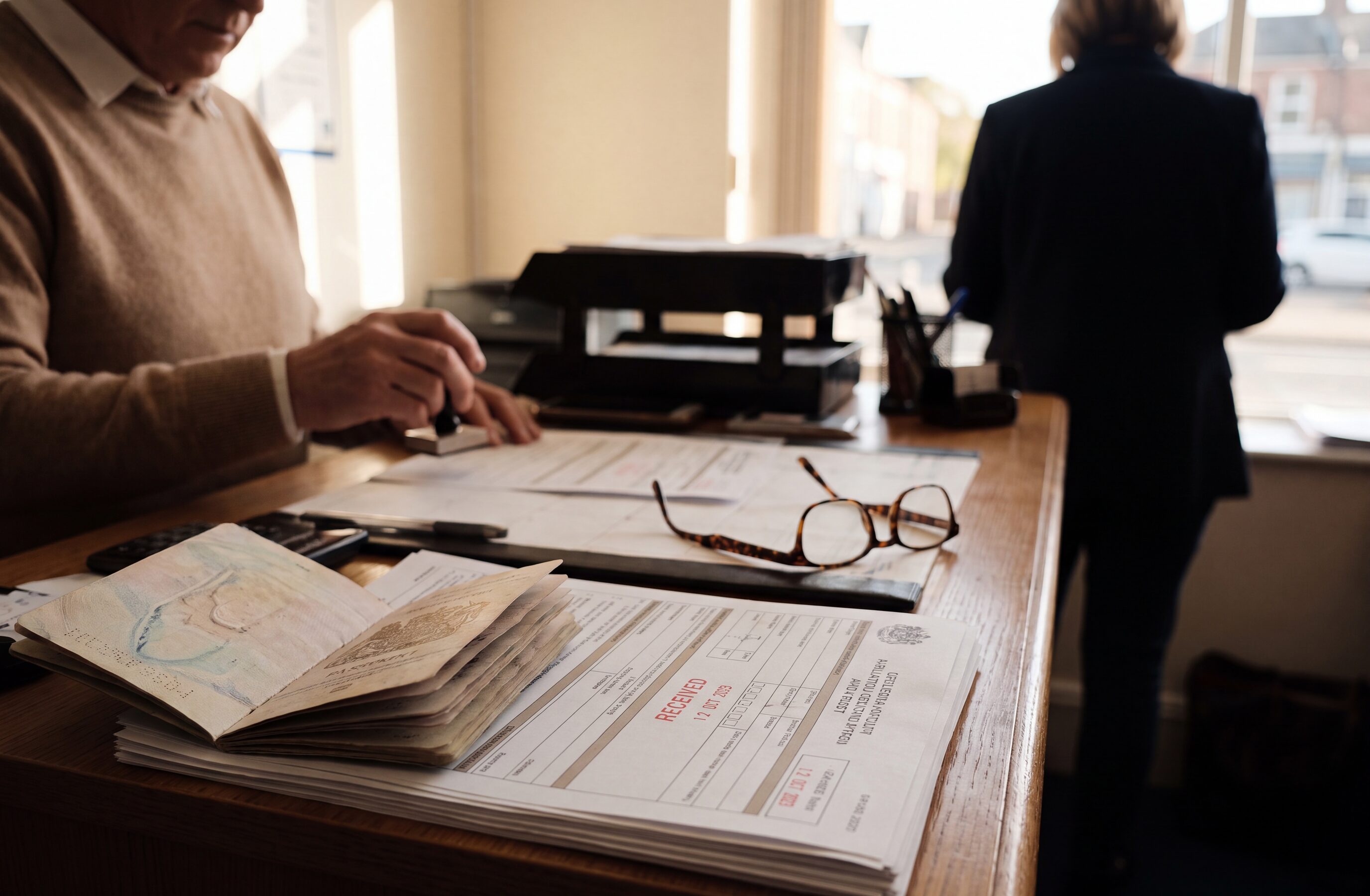
For most employers and candidates, the work permit stage is the least familiar part of international recruitment. It is also the part where the most can go wrong if it is handled casually. This article walks through how the process works in practice, in plain language.
One note before we start: this is a general overview of how we run the process, not legal advice. Requirements depend on the specific case, and the procedures are set by the Moldovan authorities.
Where the permit stage sits in the process
The permit stage does not begin the recruitment, it follows it. By the time permits are on the table, the candidate has already been screened, interviewed, and selected by the employer, and a job offer has been made. The sequence looks like this:
- Contract signing. A legal employment contract between the employer and the worker is the foundation. Without it, nothing else can move.
- Work permit processing. The application is prepared and submitted, with the supporting documentation, to the relevant Moldovan authorities.
- Visa support. Once the permit side is on track, the candidate is guided through the visa procedure in their home country.
- Travel arrangements. With documents approved, travel to Moldova is booked and the arrival is coordinated with the employer.
Documents decide the timeline
Ask anyone who handles permits professionally what slows applications down, and you will hear the same answer: documents. Missing pages, expired documents, inconsistent personal details between papers, and unverified qualifications are the usual suspects.
This is why document verification happens early, before anything is submitted. Every document is checked for completeness and consistency first. An application that goes in clean moves through the system. An application that bounces back for corrections can lose weeks.
Overall, from the start of the recruitment to the worker's first day, the process typically takes 1 to 3 months. Where a specific case lands in that range depends mostly on documentation quality and government approval times, which no agency controls.
What the employer is responsible for
The employer's part is smaller than most expect, but it is essential:
- offering a genuine position with a legal employment contract,
- providing the company-side documents the application requires,
- responding quickly when a signature or clarification is needed.
Delays on the employer side stall the application just as surely as delays on the candidate side. The fastest cases are the ones where both sides treat document requests as same-week tasks.
What the candidate is responsible for
Candidates need to supply accurate personal documents and verified qualifications, and to follow the visa procedure in their home country as guided. The most important rule for candidates is simple: never provide incorrect information. An inconsistency discovered late costs far more time than an honest complication declared early.
Why legality is the whole point
It can be tempting to see permits as bureaucracy standing between an employer and a needed worker. In reality, the permit is what makes the entire arrangement durable. A legally employed worker has an official contract, a defined status and a clear path to extension. The employer has a workforce that will not evaporate under an inspection. We only work with legal employment contracts, in compliance with Moldovan immigration and labour regulations, because anything less eventually costs both sides more than it saves.
How we handle it
At Ibramus HR, permits and visas are a core service, not an afterthought. We verify documents before submission, prepare and manage the work permit application, guide the candidate through the visa procedure, and keep the employer informed at every step. Employers get compliance without the paperwork burden. Workers get a legal start in Moldova.
If you have a permit question, whether you are hiring or applying, contact us and describe your situation. We will tell you what the process looks like for your case.